
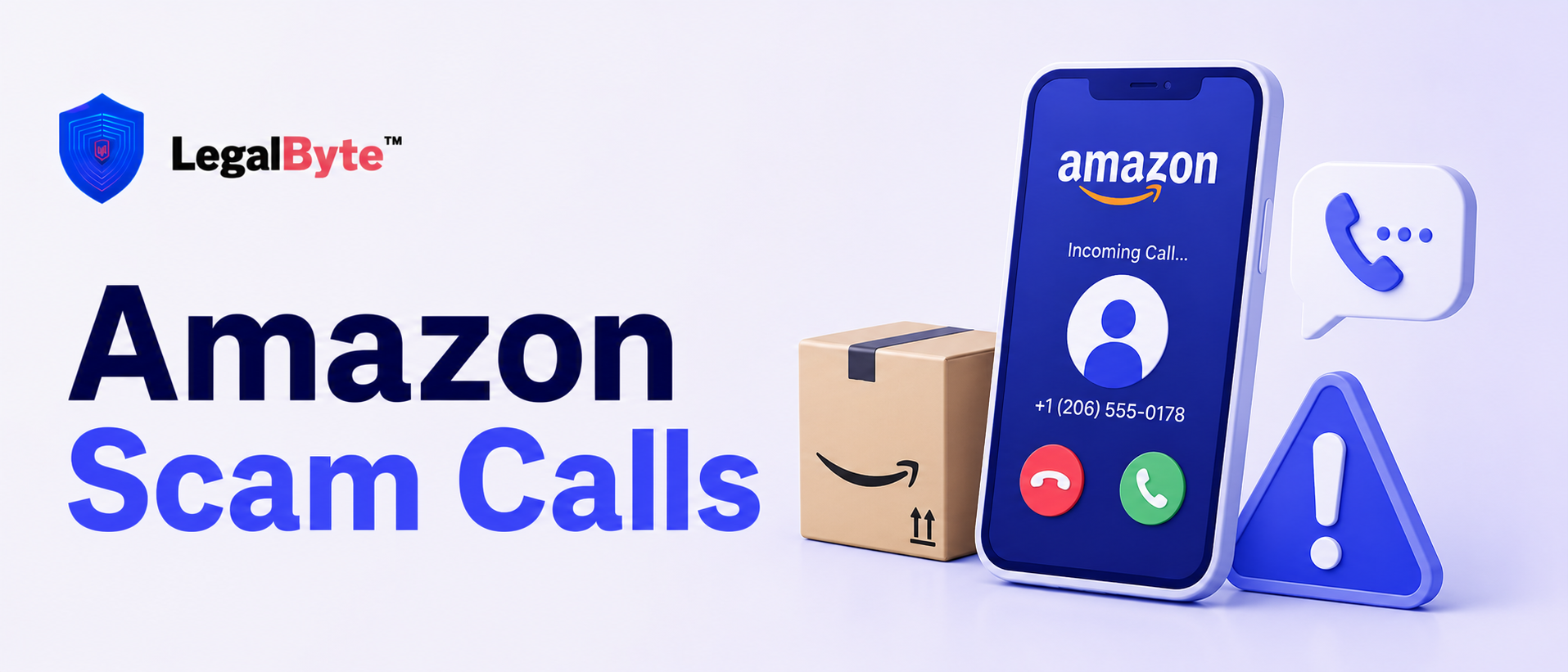
Receiving an unexpected phone call claiming that an expensive order has been placed on your Amazon account can be alarming. The caller may say that an iPhone, MacBook, laptop, television, or another high-value item has been purchased using your account or personal information and ask you to confirm whether you authorised the transaction.
In many cases, however, the alleged order is simply the starting point of an impersonation scam.
The purpose of the call is often not to investigate an Amazon order at all. Instead, the supposed unauthorised purchase is used to create urgency, gain your trust, and keep you on the phone long enough for the scammer to obtain sensitive information, gain access to your device or accounts, or persuade you to transfer money.
Amazon warns that scammers may use fake emergencies involving unauthorised purchases to pressure people into sharing passwords, one-time passwords, banking or card information, gift card details, or access to their devices.
Table of Contents
How Does the Fake Amazon Order Scam Work?
The scam often begins with an unexpected phone call, voicemail, text message, or automated recording.
You may hear something similar to:
“We are calling from Amazon regarding a suspicious purchase on your account.”
The caller may then claim that an expensive product has been ordered and is about to be delivered to an unfamiliar address.
Other versions of the scam claim that:
- An iPhone, laptop, or other expensive item has been purchased using your Amazon account.
- Your credit or debit card has been charged.
- Someone has opened another Amazon account using your telephone number or identity.
- Your Amazon account has been hacked.
- Multiple fraudulent transactions have been detected.
- The order is being delivered to another city or country.
- Your account will be suspended unless you immediately verify your identity.
- You need to provide information to cancel the transaction.
Reports from victims show that scammers often use expensive and recognisable products, such as iPhones, AirPods, MacBooks, or laptops, because a large unexpected purchase is more likely to cause immediate concern.
The caller may also use a spoofed telephone number, meaning that the number displayed on your caller ID can appear legitimate or resemble a genuine Amazon number. The number itself should therefore not be treated as proof that the call is genuine.
The Order Is Often Only the Hook
One of the most important things to understand about this type of scam is that the supposed Amazon order may be completely fictitious.
When you check your Amazon account, there may be no order. Your bank account may also show no suspicious transaction.
That does not necessarily stop the scammer. Instead, they may claim that the fraudulent order was placed through:
- A different Amazon account.
- An account created using your telephone number.
- An account created using your identity.
- A compromised account that is not visible to you.
- A separate payment method.
The story can then become increasingly complicated.
What began as an alleged Amazon order may suddenly turn into a claim that your identity has been compromised, your bank account is at risk, or your name is connected to criminal activity.
The U.S. Federal Trade Commission has warned about versions of this scam in which a fake Amazon order eventually develops into an elaborate story about identity fraud that persuades victims to move money from their bank or retirement accounts.
What Information Are the Scammers Trying to Get?
The answer depends on the version of the scam.
Sometimes the caller is attempting to collect personal information. In other cases, the call is the first stage of a much larger fraud.
Amazon Login Details
The scammer may ask for:
- Your Amazon email address.
- Your username.
- Your password.
- Information that can help them access or recover your account.
They may claim that this information is required to verify your identity or cancel the fraudulent order.
Amazon states that it will not ask customers to provide their password over the phone.
One-Time Passwords and Security Codes
This is one of the most important warning signs.
The caller may instruct you to check your text messages or email and provide a one-time password or verification code. They may claim that the code is required to:
- Cancel the order.
- Confirm your identity.
- Secure your account.
- Stop a fraudulent transaction.
- Verify that you are the account holder.
However, one-time passwords can be used as part of account authentication or access processes. Amazon specifically warns customers that legitimate representatives will never ask for OTP codes over the phone.
Bank and Card Information
The caller may ask you to provide:
- Your bank account number.
- Debit or credit card details.
- Security information.
- Other financial information.
They may claim that they need this information to identify the payment used for the alleged Amazon order or process a refund.
Amazon specifically identifies requests for bank account information and card details as a warning sign of a fake call.
Remote Access to Your Computer or Phone
In some versions of the scam, the caller tells you to install software or visit a website that gives them access to your computer or mobile device.
They may claim that they need access to:
- Cancel the fraudulent order.
- Secure your Amazon account.
- Remove malware.
- Process a refund.
- Investigate suspicious activity.
Once a scammer has remote access to a device, they may attempt to view personal information, access financial accounts, or manipulate what the victim sees on their screen.
Amazon specifically warns against allowing unexpected callers to remotely access your device.
Your Money
In more serious versions, the scam may eventually have very little to do with Amazon.
The caller may transfer you to someone claiming to represent:
- Your bank.
- A fraud department.
- Law enforcement.
- A government agency.
- A financial regulator.
You may then be told that your money is no longer safe and that you need to move it to a supposedly secure or protected account.
The FTC has warned that impersonation scams involving supposed Amazon purchases can ultimately lead victims to transfer funds or use cryptocurrency as part of a supposed effort to protect their money.
Frequently Asked Questions
Why Did They Call Me?
In most cases, receiving a fake Amazon call does not necessarily mean that your Amazon account has been hacked.
Scammers can obtain telephone numbers and other basic personal information from many sources, including publicly available information, data breaches, marketing databases, and other illegally obtained data.
Some scammers use automated systems to make large numbers of calls. They do not necessarily know anything about you when they first contact you.
However, in some reported cases, callers have known a victim’s name, telephone number, or other basic details. This information can make the scam appear more convincing, but it should not be considered proof that the caller has access to your Amazon account. Reports on Reddit include callers correctly identifying a person’s name before attempting to obtain additional information such as their address or postcode.
The scammer may also be attempting to collect additional information during the call. Even seemingly harmless details can help them build a more complete profile of a potential victim.
What Story Do They Use?
The most common story is that an expensive product has been purchased without your permission.
The caller may claim:
“An iPhone has been ordered from your Amazon account.”
or:
“We detected a suspicious purchase and need to confirm whether you authorised it.”
They may then provide details designed to make the story sound credible, such as:
The name of an expensive product.
An approximate purchase amount.
A delivery address in another city or country.
A claim that the account was created using your phone number.
A statement that your identity has been compromised.
If you say that you did not place the order, the caller may offer to “help” you cancel it.
This is where the scam can begin to escalate. The caller may ask you to verify personal information, provide an OTP, install software, or follow instructions on your computer or mobile phone. In more sophisticated versions, the supposed Amazon problem becomes an alleged bank fraud or identity theft investigation.
The story can change during the conversation because the objective is to keep you engaged and progressively gain more information or control
What Information Were They Trying to Get?
Depending on the scam, the caller may be attempting to obtain:
Your full name and address.
Your postcode.
Your date of birth.
Your Amazon email address.
Your Amazon password.
One-time passwords or security codes.
Credit or debit card information.
Bank account information.
Access to your computer or phone.
Information about your financial accounts.
They may also be testing what information you are willing to provide. For example, a caller who already knows your name may ask you to “confirm” your address or postcode. If you provide it, they have successfully verified another piece of personal information.
This is one reason why you should be cautious about confirming information to an unsolicited caller, even if they already know part of it.
Amazon specifically warns that scammers may ask for addresses, payment information, account credentials, financial information, OTP codes, or remote access to a device
Why Did They Know My Name or Postcode?
This is one of the reasons these calls can be particularly convincing.
Knowing your name, postcode, telephone number, or email address does not necessarily mean that the caller has hacked your Amazon account.
Personal information can circulate through numerous sources, including:
Publicly available databases.
Social media.
Data breaches.
Previous scams or phishing attacks.
Marketing and data-broker databases.
Information purchased or exchanged by criminal groups.
In some cases, scammers deliberately provide information they already possess and then ask you to confirm or correct it. This can make the caller appear legitimate while simultaneously helping them obtain more accurate information.
For example, a scammer may say:
“Can you confirm that your postcode is…”
If you correct them, you may unintentionally provide the correct information.
A better approach is not to confirm or correct personal information for an unexpected caller. End the call and independently contact the organisation through its official website or app.
What Happens If I Continue Talking to Them?
Simply answering an unsolicited call does not automatically mean that you have been scammed.
However, continuing the conversation can give the scammer an opportunity to build trust, gather information, and adapt their story based on your responses.
The scam may progress through several stages:
The fake order – You are told that an expensive purchase has been made.
The verification stage – You are asked to confirm personal information.
The account-security stage – You are told that your Amazon account has been compromised.
The device-access stage – You are asked to install software or follow instructions on your computer or phone.
The financial stage – You are told that your bank account, identity, or money is at risk.
The transfer stage – You are instructed to move money to a supposedly safe account, make a bank transfer, purchase gift cards, or use cryptocurrency.
The final stages can be particularly dangerous because by this point the victim may believe they are participating in a genuine fraud investigation.
Another major warning sign is secrecy. A scammer may tell you not to contact your bank, family, or anyone else because the investigation is confidential or because other people may be involved.
The FTC specifically warns that legitimate organisations will not tell you to keep a serious account or identity issue secret from people you trust
What Should I Do If I Gave Them Information?
The appropriate action depends on what information or access you provided.
If You Only Answered the Call
If you did not provide any information, click any links, install software, or follow instructions from the caller, the risk is generally lower.
You should still independently check your Amazon account through the official website or app if you are concerned about an actual order.
If You Confirmed Personal Information
Be alert for further scam attempts. Scammers may use the information you provided in future phishing, impersonation, or identity fraud attempts. Preserve the telephone number, voicemail, and any other details relating to the call.
If You Provided Your Amazon Password
Change your Amazon password immediately through the official website or app. You should also review your account for unauthorised activity and ensure that your account security settings are up to date.
Amazon recommends changing your password if you entered it on a website you believe may have been malicious.
If You Shared an OTP or Verification Code
Take immediate steps to secure the relevant account.
Because one-time codes can be used during authentication or account recovery processes, you should independently review the security of the account involved and contact the relevant provider through its official channels if you believe access may have been compromised. Amazon explicitly states that legitimate representatives will not ask for OTP codes over the phone.
If You Provided Bank or Card Details
Contact your bank or card provider immediately using the contact details on its official website, app, or the back of your payment card.
Do not call a number provided by the suspicious caller.
Amazon advises customers who believe they have provided payment information in response to suspicious communications to contact their credit card company immediately.
If You Gave Them Remote Access to Your Device
Disconnect the device from the internet and seek appropriate technical assistance. You should also change important passwords from a device you believe is secure and contact any financial institutions whose accounts may have been accessed.
Remote-access scams can give criminals the opportunity to view information or manipulate activity on the victim’s device.
If You Sent Money
Contact your bank or payment provider immediately and ask whether the transaction can be stopped, recalled, or whether the receiving account can be identified and the funds frozen.
Preserve all available evidence, including:
Telephone numbers.
Screenshots.
Text messages.
Emails.
Call recordings, where lawfully obtained.
Payment confirmations.
Bank statements.
Cryptocurrency wallet addresses and transaction IDs, where applicable.
Any software you were instructed to install.
The earlier action is taken, the greater the possibility of preventing further transfers or preserving evidence that may assist an investigation.
How Can I Check Whether the Call Was Really From Amazon?
Do not use a telephone number provided during the call, in a voicemail, or in a suspicious text message.
Instead:
- End the call.
- Open the official Amazon app or type the Amazon website address directly into your browser.
- Check Your Orders for any suspicious purchases.
- Review your account and payment activity.
- Contact Amazon through its official customer service channels if necessary.
Amazon specifically advises customers who receive suspicious communications about an order they did not place to review their order history through the official service rather than relying on the caller’s instructions.
Key Warning Signs of an Amazon Scam Call
The call may be fraudulent if the caller:
- Contacts you unexpectedly about an expensive order.
- Creates a sense of urgency.
- Claims that your account will be suspended immediately.
- Asks you to confirm or provide personal information.
- Requests your password.
- Requests an OTP or verification code.
- Requests bank or card details.
- Tells you to install software.
- Asks for remote access to your computer or phone.
- Tells you to move money to a safe account.
- Requests payment through gift cards or cryptocurrency.
- Tells you to keep the matter secret.
- Attempts to prevent you from independently contacting Amazon or your bank.
Amazon’s own guidance states that it will not ask customers for passwords, OTP codes, gift card details, bank card details, or other confidential information over an unsolicited phone call.
The Most Important Thing to Remember
The alleged Amazon order is often not the real objective of the scam.
It is a believable and urgent story designed to make you react before you have time to independently verify what is happening.
If you receive an unexpected call claiming that an expensive order has been placed on your Amazon account, do not provide information or follow instructions from the caller. End the call and check your account independently through the official Amazon website or app.
Even if the caller knows your name, postcode, or other personal details, this does not prove that the communication is genuine.
Need Help After an Amazon Impersonation Scam?
If you have provided information, granted remote access to your device, or transferred money after receiving a call from someone claiming to be from Amazon, it is important to act quickly.
LegalByte assists individuals and businesses affected by fraud by analysing communications and digital evidence, investigating the movement of funds, identifying relevant receiving platforms, and providing forensic and legal support where appropriate.
If you believe you have been the victim of an Amazon impersonation scam or another form of financial fraud, contact contact@legalbyte.io with a summary of the incident and any available evidence for an initial assessment.